How to Plan a Wedding Day Timeline That Actually Works
A wedding day timeline should make the day feel easier, not more controlled. That is the bit a lot of couples miss at first. You do not need a minute-by-minute military operation. You need enough structure to keep things moving and enough breathing room for the day to still feel like your wedding.
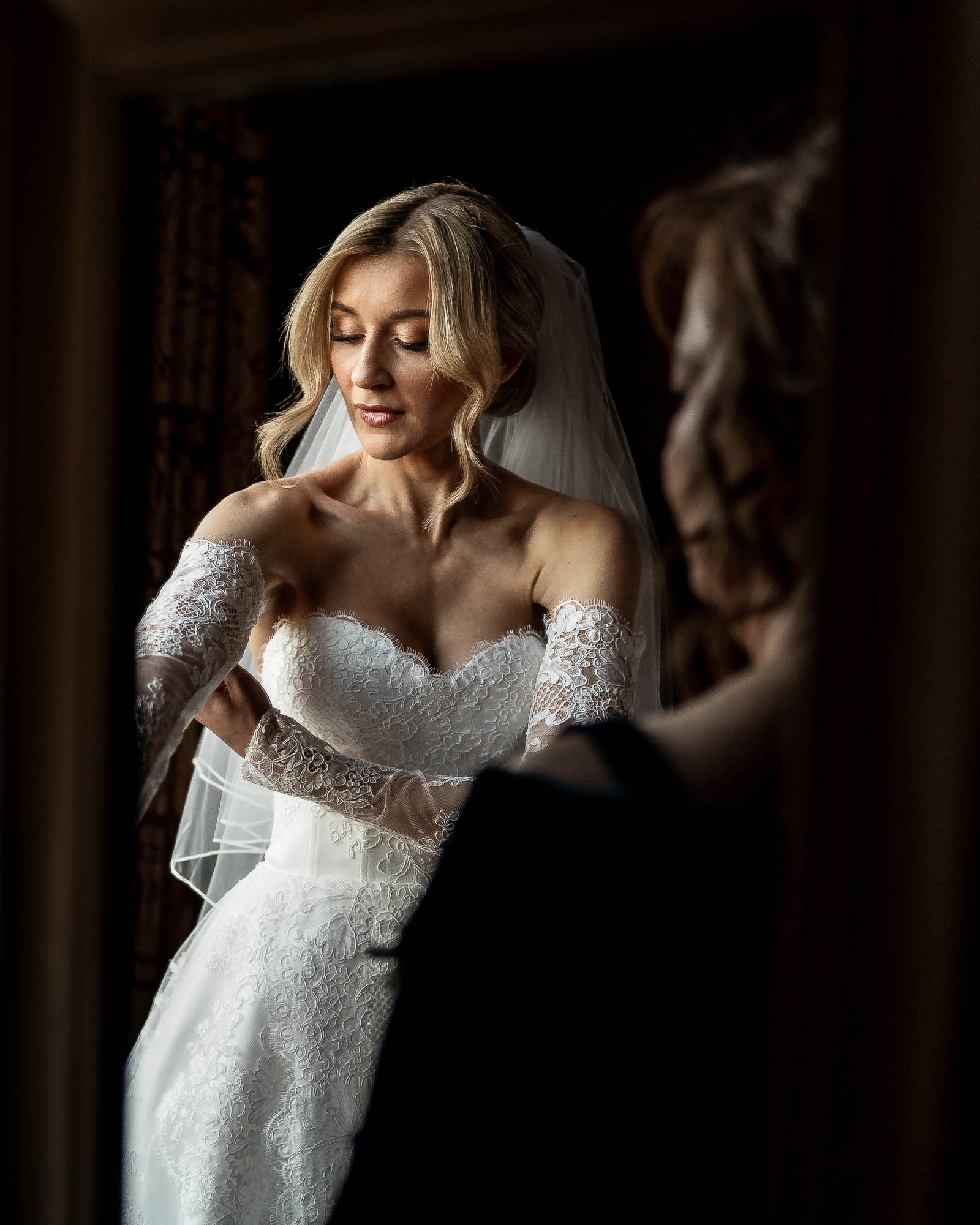
Start with how you want the day to feel
Before you start assigning times to everything, it helps to ask a better question. How do you want the day to feel? Calm and spacious? Lively and social? Emotional and intimate? If you build the timeline around that feeling, the day usually makes much more sense than if you copy a generic template off the internet and try to force yourselves into it.
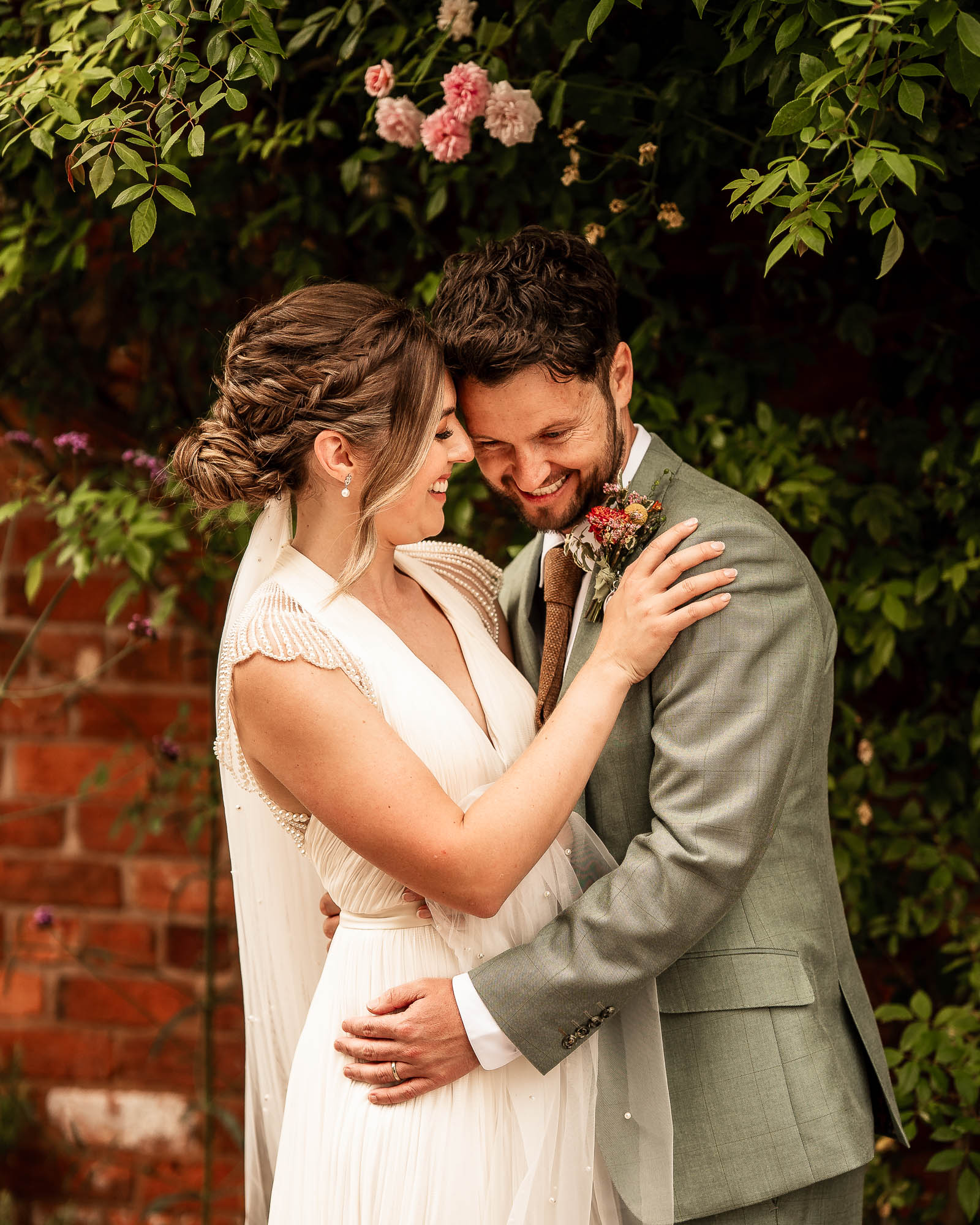
The best timelines leave room for real life
The biggest mistake I see is a schedule with no buffer time in it. Hair and makeup runs late. Someone cannot find their shoes. Guests take longer than expected to sit down. A family member disappears just before group photos. None of this is unusual. It is just wedding-day life. The problem is not that these things happen. The problem is when there is no margin built in, so one tiny delay starts pushing everything else out of place.
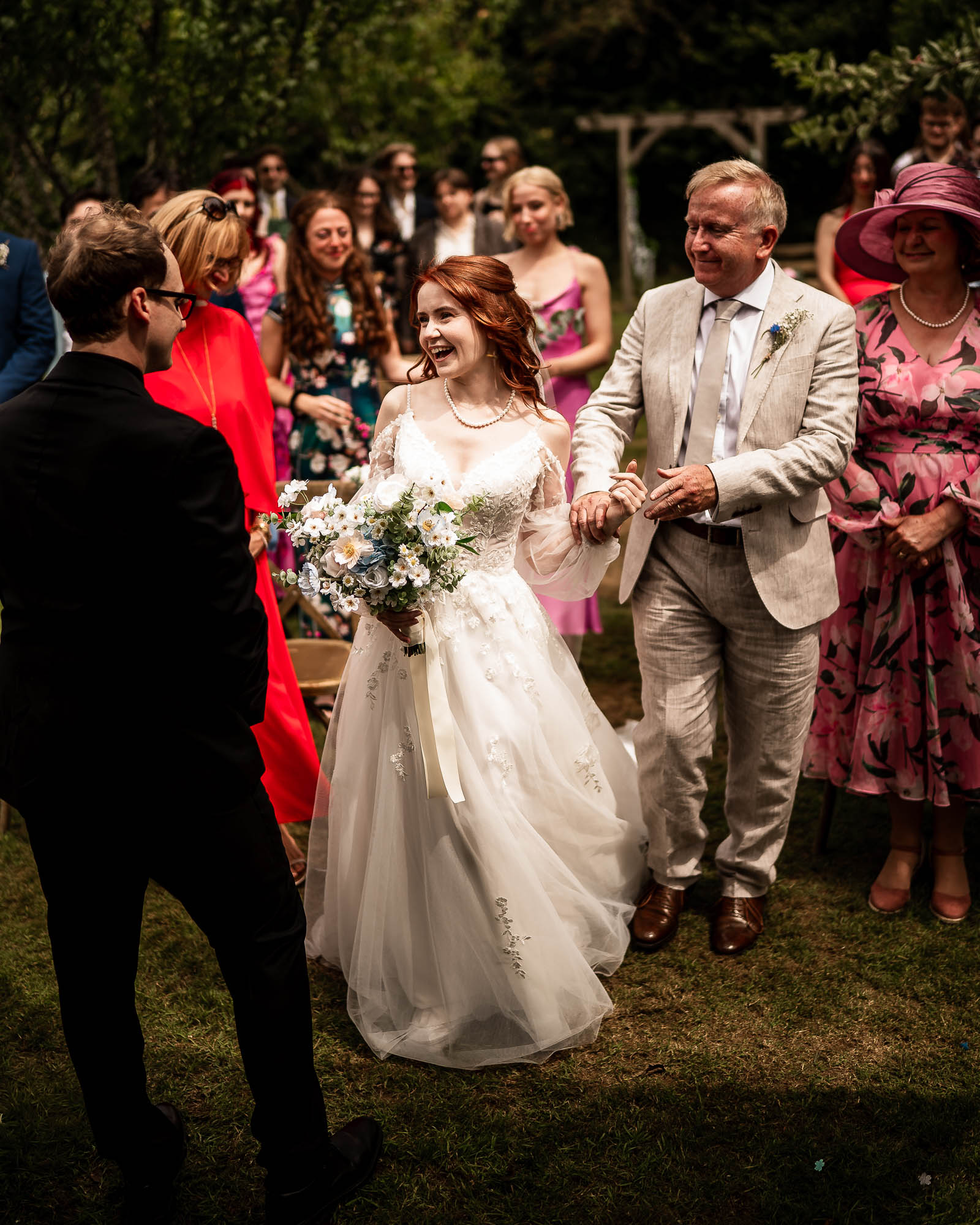
A calm morning changes the whole day
The morning sets the tone for everything that follows. If it feels rushed from the moment you wake up, that stress can carry all the way into the ceremony. If it feels relaxed, excited and human, the rest of the day often follows suit. It is nearly always worth giving yourselves more time than you think for the morning. Not just for hair and makeup, but for the chat, the nerves, the music, the seeing people arrive, and all the bits that make it feel real.
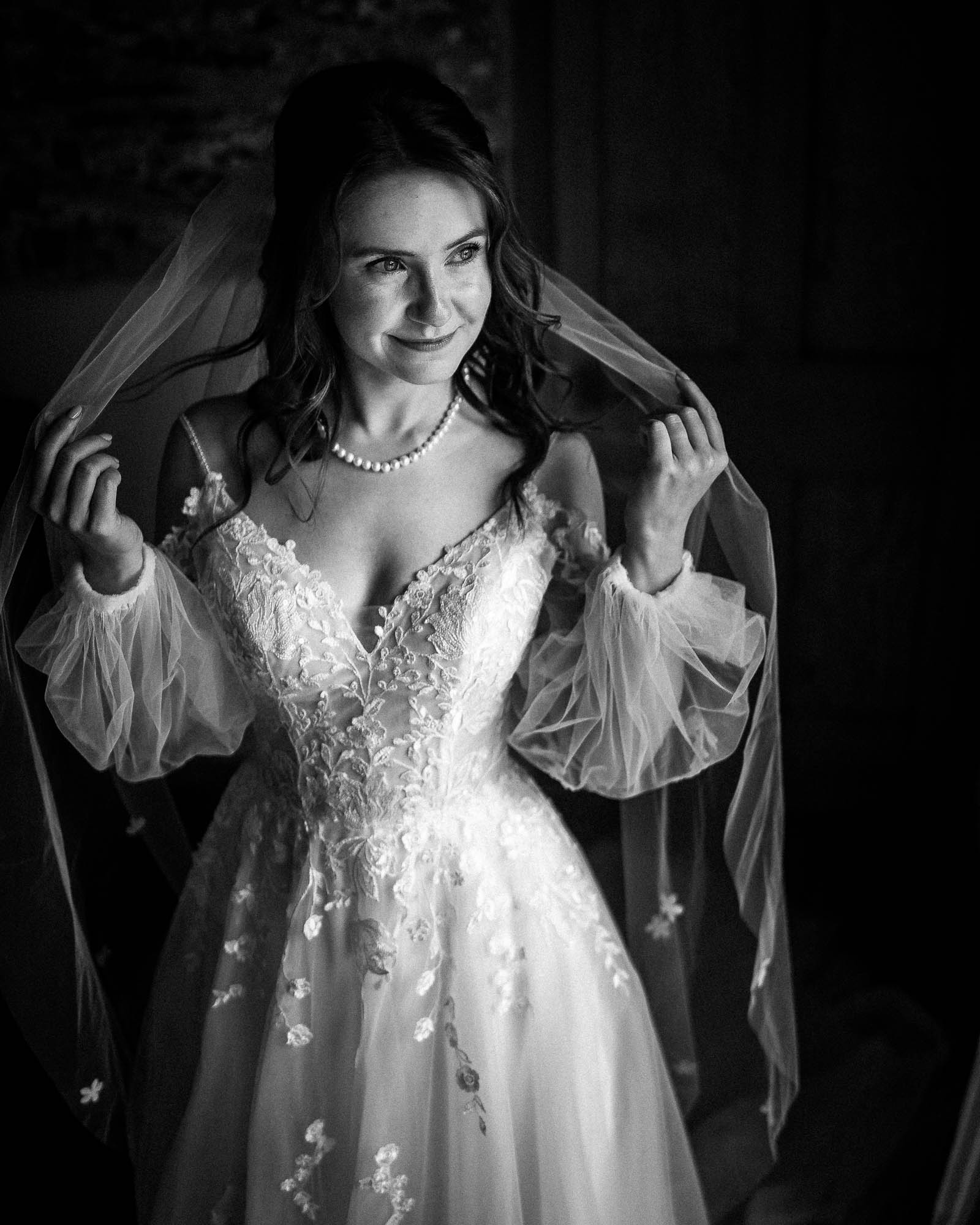
Do not squeeze the drinks reception
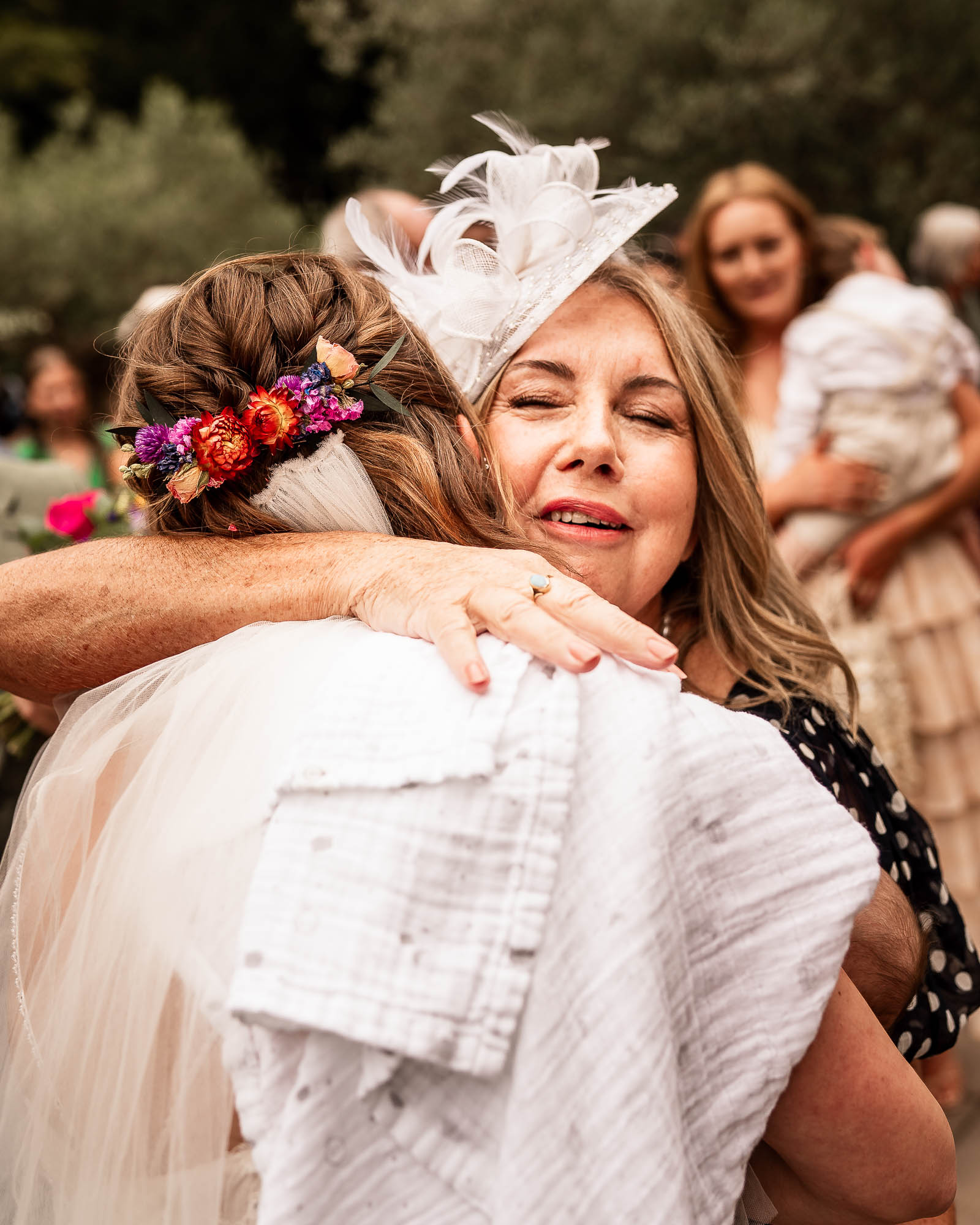
This part of the day is often where everyone finally exhales. The ceremony is done, the nerves lift, and people start properly celebrating. If you make the drinks reception too short, the day can begin to feel rushed just when it should be opening up. It is also one of the richest parts of the day for natural moments. Hugs, laughter, kids running about, grandparents chatting, people seeing each other for the first time in ages. This is where a lot of the atmosphere lives.
Group photos should be quick and meaningful
I am not against group photos at all. They matter. But they are one of the easiest ways for a timeline to quietly lose half an hour, then another half an hour, then somehow the whole drinks reception. The best approach is usually to keep them to the combinations that genuinely matter. Immediate family, grandparents, a few key people. Enough to have what you will actually care about later, without turning the middle of the day into a search party.

You do not need to disappear for portraits
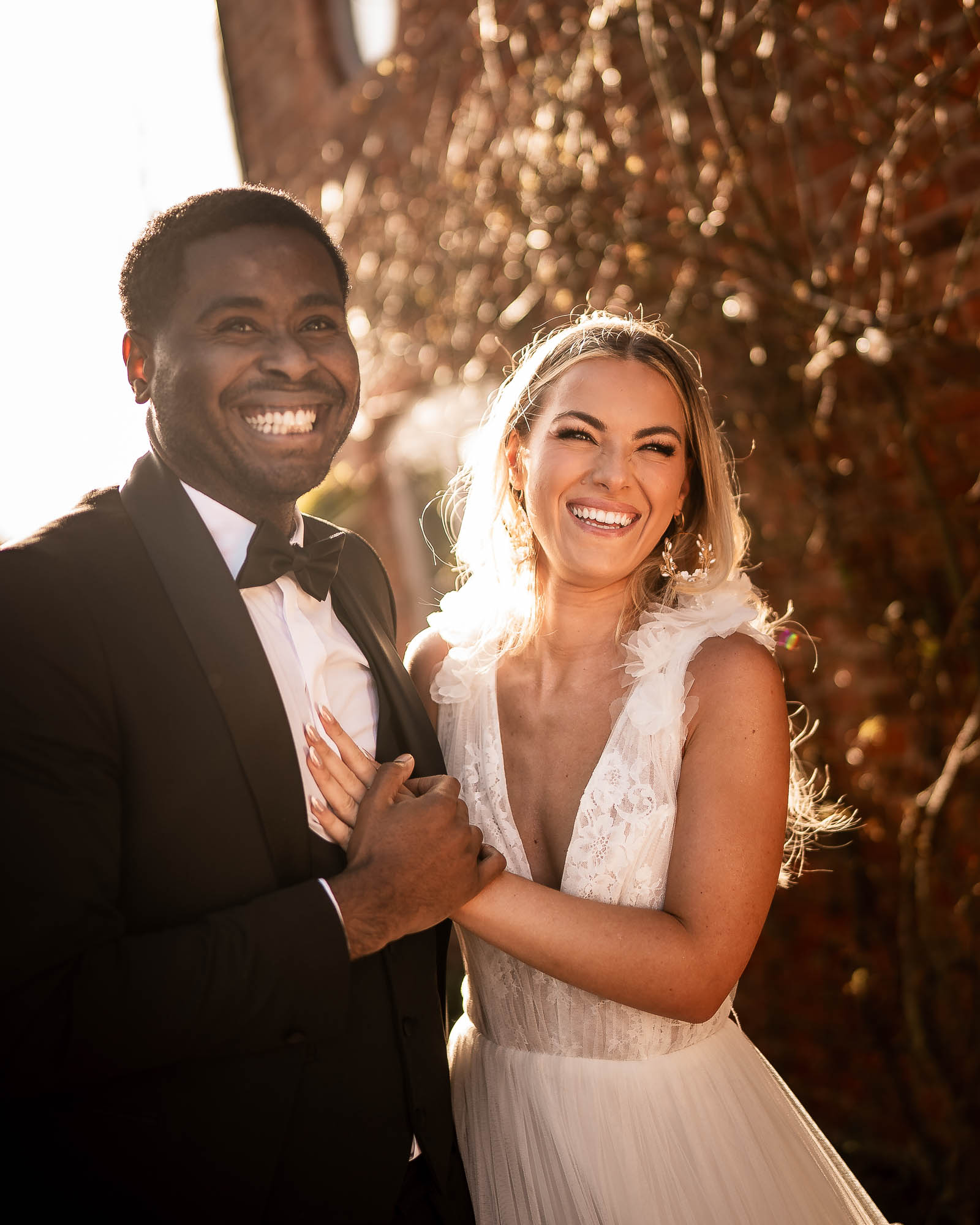
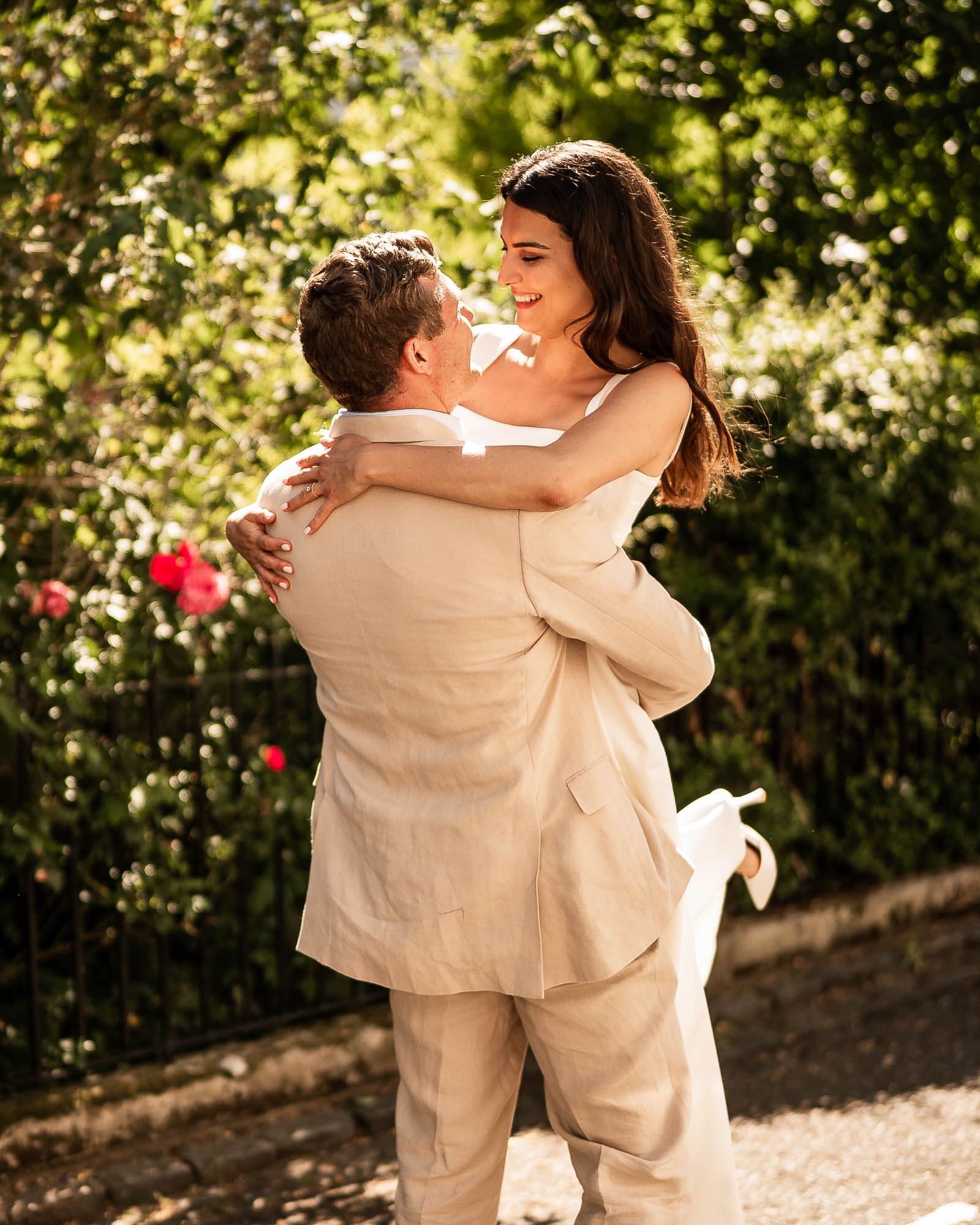
A lot of couples worry that couple portraits will take them away from their guests for ages. They do not have to. In fact, I think shorter portrait time usually works better. Ten or fifteen relaxed minutes is often plenty, especially if you build in the option for another quick few minutes later when the light is nice. That way you get beautiful photographs without feeling like you missed your own wedding to get them.
Travel always takes longer than you think
If your day involves moving between locations, be realistic rather than hopeful. Wedding-day travel is rarely as smooth as ordinary travel. People are late leaving. Cars arrive a bit behind schedule. Traffic appears from nowhere. Guests take longer to get in place. If you are moving from prep to ceremony, or from ceremony to reception, it is worth building in more time than Google Maps says you need. The day will feel far better for it.
The best timelines protect the important bits
When couples think about timelines, they often focus on fitting everything in. I think it is more useful to think about protecting the bits that matter most. Time with your people. Space to actually enjoy the drinks reception. Not being rushed into dinner. A few quiet minutes together. Enough daylight for portraits if that matters to you. Enough breathing room for things to happen naturally. That is what turns a schedule into something useful rather than something stressful.
A simple example of a relaxed wedding timeline
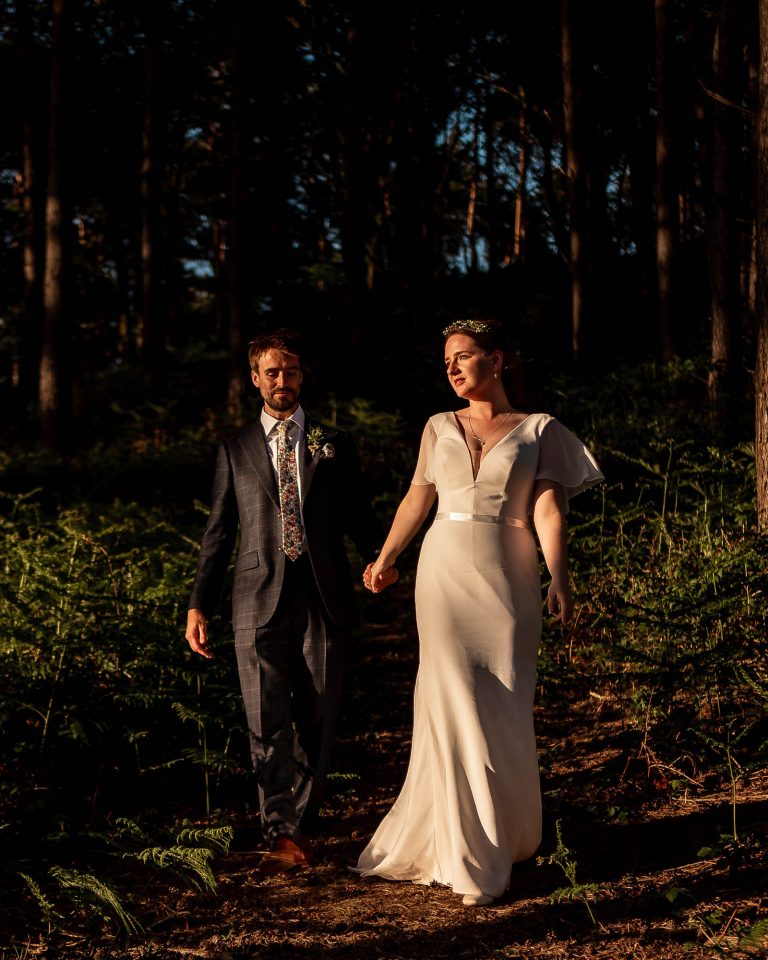
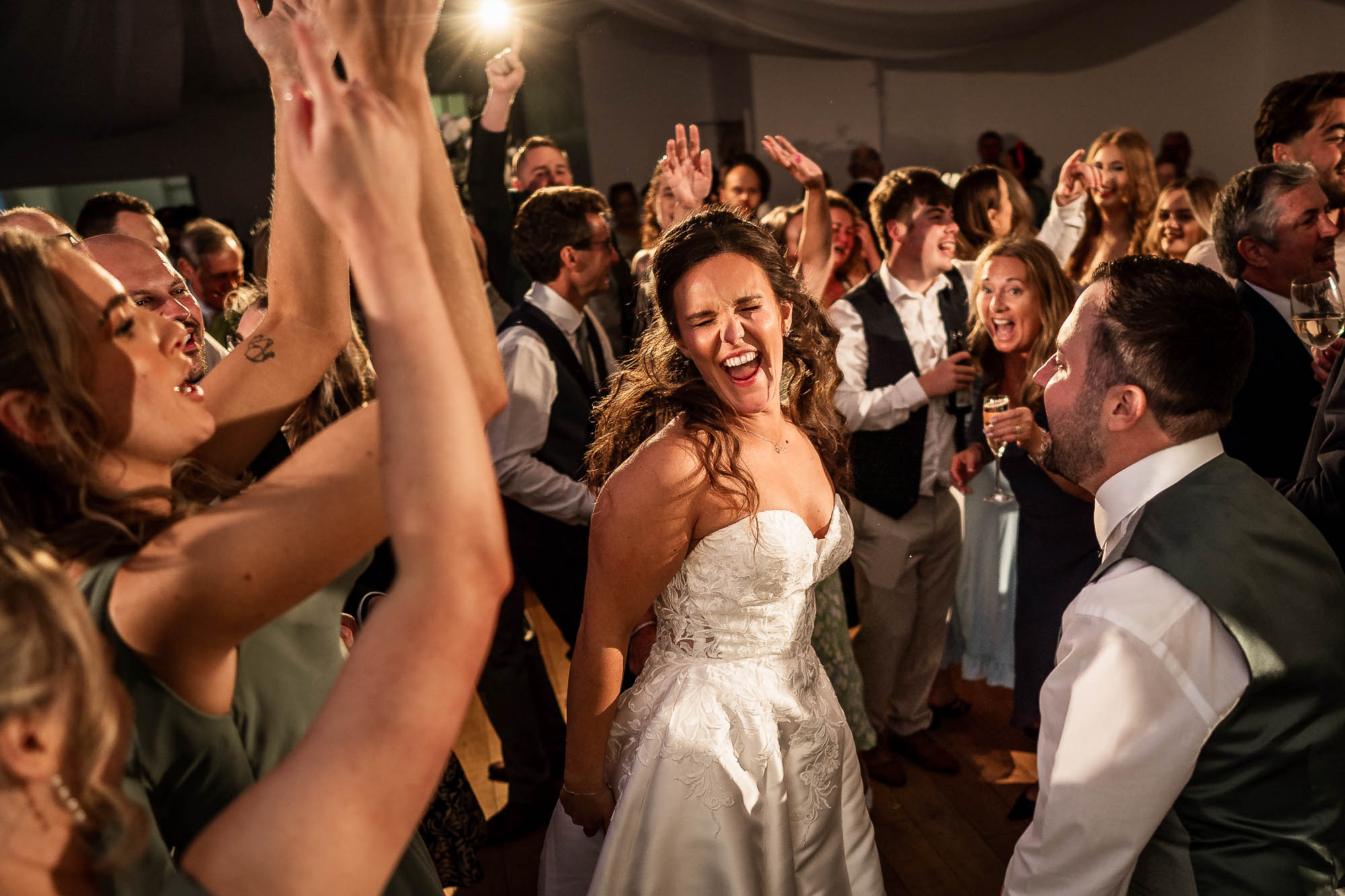
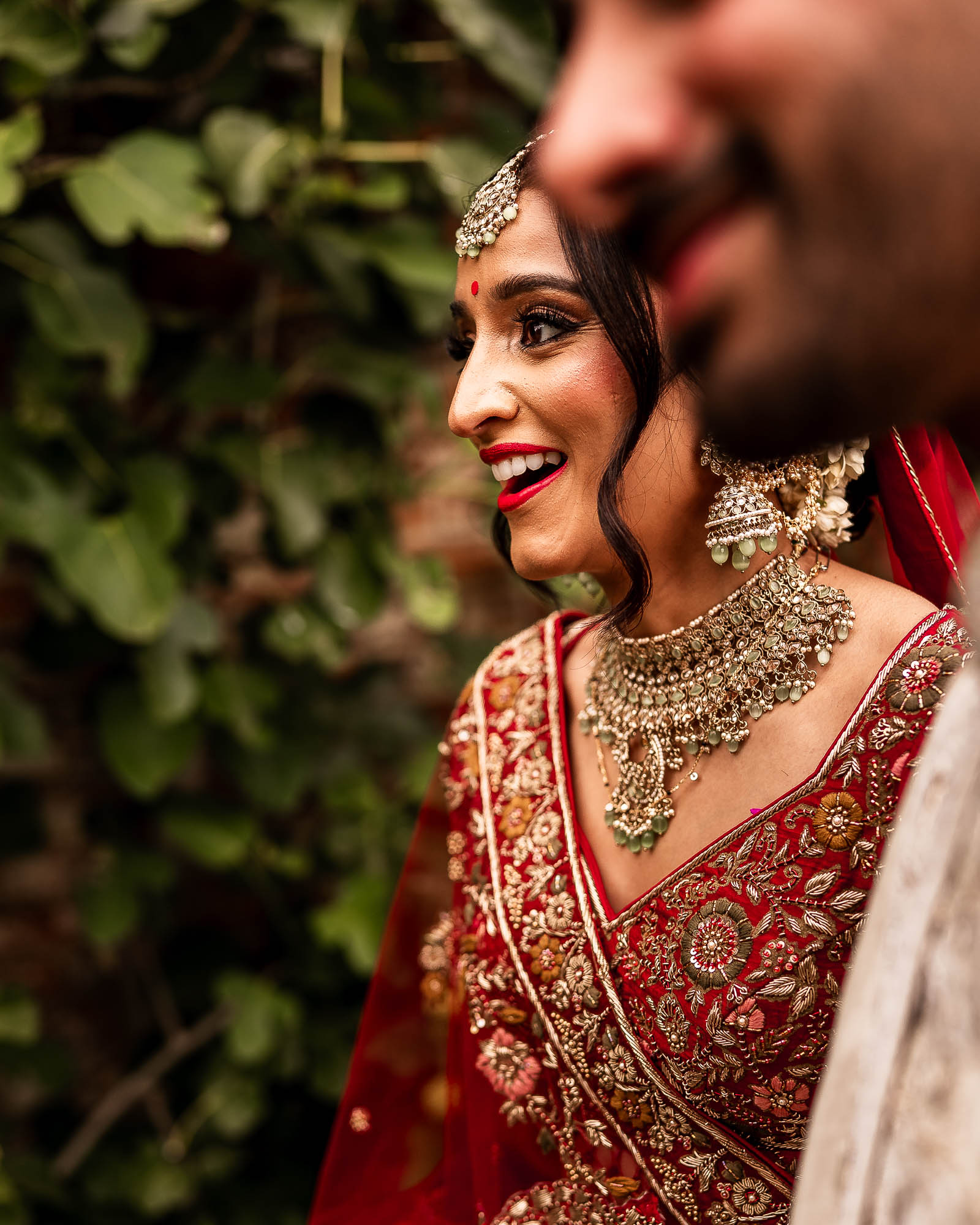
For a typical UK wedding, a relaxed timeline often looks something like this: enough time in the morning for prep without panic, ceremony with a bit of breathing room before and after, drinks reception long enough for hugs and mingling, group photos kept tidy, a short portrait slot that does not take over, dinner without feeling late, and maybe a quick evening or golden-hour wander if the light is lovely. That shape tends to work because it follows the emotional rhythm of the day rather than fighting it.
Final thoughts on planning your wedding day timeline
A good wedding day timeline is not about cramming more in. It is about making the day feel better while still giving everything the space it needs. If you leave room for people to be people, the atmosphere improves, the stress drops, and the whole day tends to flow more naturally. That is better for you, better for your guests, and honestly better for the photographs as well.
If you are planning your day and want photography that fits around it naturally rather than taking it over, have a look through my work. You will get a good feel for how I approach weddings and the kind of moments I care about most. If you like a more natural, story-led approach, you might also enjoy reading about photojournalistic wedding photography, why I love candid wedding photography, and what I mean when I talk about being a natural wedding photographer.
Wedding Timeline FAQ
How long should a wedding day timeline be?
A full wedding day timeline usually runs from morning preparations through to the first dance and a bit of evening dancing, but the exact length depends on your plans. What matters more than the total number of hours is whether the day has enough breathing room in the right places.
How much buffer time should we allow?
More than you think. Even ten or fifteen extra minutes around prep, travel, group photos or getting guests seated can make the day feel far calmer. A tiny bit of margin goes a long way on a wedding day.
How long should we allow for group photos?
That depends on how many combinations you want, but the simplest answer is to keep them focused. A shorter, well-planned list nearly always works better than trying to photograph every possible variation of family and friends.
How long should couple portraits take?
For most weddings, they do not need to take long at all. A short relaxed portrait session, with the option of another quick few minutes later, is often more than enough and means you do not miss a big chunk of your own day.
What is the most important thing in a wedding day timeline?
Giving the day enough breathing room. More than any exact formula, that is what helps a wedding feel relaxed, enjoyable and true to you.